


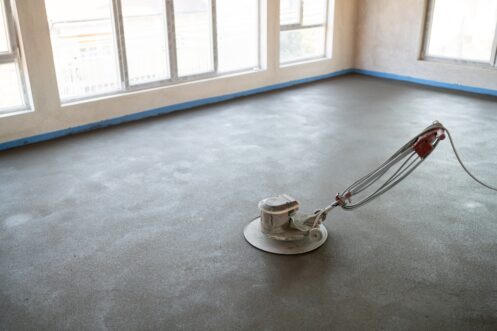
A concrete garage floor takes more abuse than almost any other surface in your home. It handles vehicles, heavy storage, and dropped tools that can cause damage. To keep your garage floor strong and looking good, you need a plan to withstand all four seasons in Phoenix, AZ. This seasonal guide explains how to protect your concrete garage floor in the spring, summer, fall, and winter to avoid costly damage.
Spring: Clean Out Winter Accumulation and Check for Surface Wear
Spring gives you the best opportunity to reset your garage floor after winter. The biggest threat to the floor in winter is moisture. Because concrete is porous, this moisture can seep into the floor. Additionally, you’ll likely be tracking mud into the garage. When dry, the grit can scratch and damage the floor.
Start by removing everything you can from the garage floor. Sweep slowly and thoroughly, especially near the garage door and along the walls. You want to remove all dirt and dried mud before you add water. After sweeping, mop the floor with warm water and a mild, concrete-safe cleaner. Focus on areas where tires sit and mud collects. Rinse well and let the floor dry completely.
Once the surface dries, inspect the concrete closely. Look for hairline cracks, rough patches, and flaking near the front edge of the garage. Also, keep an eye out for small chips or thin layers peeling away. If you catch these issues early, repairs stay simpler and cheaper. Having us promptly repair small chips and cracks reduces the risk of costly repairs or even replacement.
You should also check for moisture-related issues in spring. Damp corners and dark spots that never dry are breeding grounds for mold and mildew. If you spot these stains, use a cleaner specifically formulated to remove mold. To prevent issues, make sure the downspouts direct water away from the home and your driveway slopes away from the garage. Small drainage improvements protect the slab.
Summer: Prevent Stains and Reduce Dust
Summer makes garage floor care easier because you have more dry days and faster drying times. That said, summer can also increase garage activity. Yard chemicals, mower fuel, car fluids, and paint products can all quickly stain concrete. Concrete pores hold onto oil and grease, so fast cleanup matters.
Treat stains as soon as you notice them. Blot spills, scrub the area with a concrete-safe degreaser, and rinse thoroughly. Avoid letting chemicals sit in one place, since heat can bake stains into the surface. If you store fertilizer or other landscaping and gardening supplies, keep them off the floor. Use a shelf or a sealed bin to prevent moisture transfer and discoloration.
Summer also brings dust problems in many garages. Concrete creates dust as the surface wears down, especially when grit and tires grind against it. Sweep often and use a damp mop when needed. This reduces the abrasive grit that accelerates surface wear. If you want the best time for professional concrete sealing, summer is a good option. Warm temperatures help sealers cure properly, and lower humidity reduces curing problems. A good sealer helps block stains and limit moisture absorption, which makes every season easier.
Fall: Prepare the Floor Before Winter Arrives
Fall maintenance matters because it helps you prevent winter damage instead of reacting to it later. Start the fall with a thorough cleaning. Sweep out leaves and dirt, then wash the floor to remove summer grime. If you have oil spots, treat them before winter.
Next, you will need to address cracks. Even small cracks provide a path for water into the slab. Our polyaspartic coating can bridge cracks, or we can repair them. We offer a href=”https://www.thevalleycoatings.com/floor-polishing/”>floor polishing, grinding, staining, and sealing for residential concrete floors. Keep vehicles off the repair area until it sets completely.
Fall also gives you a good time to check garage door seals. If you see daylight under the door, you may also get water blow-in during storms. Replace worn weatherstripping so you reduce puddles near the door. This protects the floor and makes spring cleanup easier.
Winter: Control the Moisture
Winter creates the most damaging conditions for concrete garage floors due to excess moisture. While we get rain in other months, the cooler weather means the moisture stays in the air longer. Plus, you’ll likely have the garage door closed more in winter, so the lack of ventilation also contributes to water-related problems. The front edge of the garage often takes the most damage because of tracked-in mud.
During winter, you need to remove water regularly. Use a squeegee to push water out when possible. The longer water sits, the deeper it soaks in. If you use a containment mat, empty it and clean it regularly. This prevents moldy odors and keeps the mat from overflowing during heavy rain.
Pay attention to new cracks in winter. You may not be able to repair them immediately, but you can monitor them. If you see sudden widening or uneven lifting, schedule an evaluation with our team.
The Biggest Mistakes to Make With Concrete Garage Floors
Many garage floors wear out faster because you treat concrete like a surface that doesn’t need care. The first mistake involves waiting too long to clean up mud and oil. Concrete absorbs contamination quickly, so delays can lead to permanent stains and surface breakdown. Another common mistake involves using the wrong cleaning products. Harsh acids and aggressive chemicals can etch concrete, making it more porous. Stick with cleaners designed for concrete and use a stiff brush to clean it.
Ignoring moisture also leads to problems. Water pooling near the garage or soaking into the slab can create long-term damage. Moisture problems don’t always look dramatic at first, but they often lead to cracks, odors, stains, and surface wear. You might be tempted to skip concrete sealing or coating if the floor looks fine. We offer a range of sealants and coatings to protect the floor and improve overall aesthetics. These treatments help prevent stains, reduce dust, and limit water absorption during winter.
A Simple Seasonal Routine That Works
You don’t need a complicated plan to protect your concrete garage floor. You need a routine that matches the season. Spring focuses on cleanup and inspection. Summer focuses on stain prevention and dust control. Fall focuses on sealing cracks and preparing for excess moisture. Winter focuses on removing water and mud. At Valley Concrete Coatings & Polishing, we have worked with commercial and residential concrete floors in the Phoenix area since 2004.
From floor polishing to complete restoration, Valley Concrete Coatings & Polishing can protect and improve your concrete garage floor. Contact us today.