

For many homeowners, the garage floor is the most abused surface in the house. It is abused with everything from oil spills and dropped tools to the constant weight of vehicles. Seasons can also affect your concrete garage flooring. Specifically, winter weather can affect garage flooring through snow, ice, road salts, and fluctuating temperatures. This exposure can lead to spalling, cracking, and premature breakdown of your concrete. Without proper protection, the damage caused during winter can lead to expensive repairs down the road.
Protecting Your Concrete Garage Floor Is Easy
At Valley Concrete Coatings & Polishing, we specialize in providing durable, long-lasting concrete coatings and polishing solutions that shield your floor from harsh conditions. Proactive preparation is the best defense. Here are five essential tips for protecting your garage floor this winter.
1: Apply a High-Quality Protective Coating
The single most effective way to protect your garage floor from winter damage is by sealing the concrete with a professional-grade coating. This is a general way to protect it from climate change. Plain concrete is highly vulnerable because it easily absorbs moisture. When water seeps into the concrete and freezes, it expands. This process creates internal pressure that leads to cracking, flaking, and spalling. This phenomenon is particularly damaging in climates with frequent freeze-thaw cycles.
A properly installed concrete coating, such as epoxy or a polyaspartic option, creates an impenetrable barrier on the surface. This barrier seals out all moisture, road salts, de-icing chemicals, and grime. Not only does this protect the concrete structurally, but it also makes cleanup a lot easier. When it comes to garage floor protection, this is the best way to handle it.
The Advantage of Professional Coatings
While DIY sealants offer temporary protection, professional garage floor coatings applied by Valley Concrete Coatings & Polishing provide industrial-level durability. We ensure the protective layer will not peel or degrade, regardless of the elements or heavy traffic. Our specialized installation process ensures a chemical bond that lasts for years, leaving you with a garage floor that can withstand wear and tear.
2: Control and Divert Melted Snow and Ice Runoff
During the winter, your vehicles bring in a lot of the harmful outside elements. Ice and snow, and even salt can harm the floor. This results in puddles of water contaminated with road salt, calcium chloride, and other corrosive chemicals. Allowing these salty puddles to sit on your floor is a major threat, even to coated floors over time. These are pools of concentrated chemicals that will eventually compromise the surface.
To control this runoff, we recommend several strategies aimed at preventing prolonged exposure between the sludge and your garage floor surface.
1: Utilize Rubber Parking Mats: These specialty mats are designed to trap the runoff under the vehicle until you clean it up. The mats keep the corrosive mixture in one easy-to-manage area for quick disposal.
2: Install Trench Drains: This is a much more permanent solution for all seasons. Trench drains installed near the garage door or where the vehicle sits can effectively channel water away from the floor surface.
3: Maintain Proper Slope: If your garage floor is being poured or refinished, ensuring a slight slope towards the door or a drain is critical for natural runoff. Any slight grade away from the main floor can help resolve standing water issues.
Even with a premium concrete floor finish, controlling moisture is essential for maximum longevity.
3: Implement a Strict Cleaning Routine to Remove Salts
Road salt and de-icing chemicals are the primary enemies of concrete floor protection during the winter. Even in warmer states that don’t get snow, road salts are still used in case of freezing temperatures. These chemicals are highly corrosive and, if left on the surface, can dig into the unprotected concrete and potentially degrade weaker coatings. Regular cleaning is vital for minimizing damage.
A proactive cleaning routine does not have to be time-consuming. We advise clients to:
1: Sweep Frequently: Remove large debris, sand, and loose salt crystals daily.
2: Hose Down Runoff Areas: Focus on spraying down the areas where you park your car regularly, using a simple water hose and squeegee.
3: Use Neutral Cleaners: Avoid harsh degreasers or acidic cleaners. Use a solution of warm water and a small amount of pH-neutral soap for deeper cleaning.
By regularly removing these contaminants, you drastically reduce the risk of chemical etching. This will keep your garage floor coating from breaking down prematurely. It is a simple step that preserves the integrity and aesthetic appeal of your concrete floor finish, regardless of the time of year.
4: Protect the Entrance From Water Intrusion
The seam where the garage floor meets the driveway is a common weak point for water intrusion. During heavy rain or snowmelt, water can easily seep under the garage door. This creates a persistent pool of moisture just inside the entrance, which contributes to the freeze-thaw problem we discussed earlier.
Taking measures to seal this vulnerable threshold is crucial. We often recommend clients invest in:
1: Threshold Seals: These rubber or vinyl strips adhere to the floor and act as a dam, blocking water from flowing under the door.
2: Proper Door Bottom Seals: Ensure the seal strip at the bottom of the garage door itself is intact and flexible, creating a tight seal when closed.
3: Exterior Drainage Improvements: Confirm that your driveway and landscaping direct water away from the garage entrance rather than toward it.
Limiting the volume of water that enters the garage is a great way to protect the concrete floor surface and the foundation underneath. Implementing these measures will protect your concrete floor.
5: Inspect For Cracks and Repair Damage Before Winter
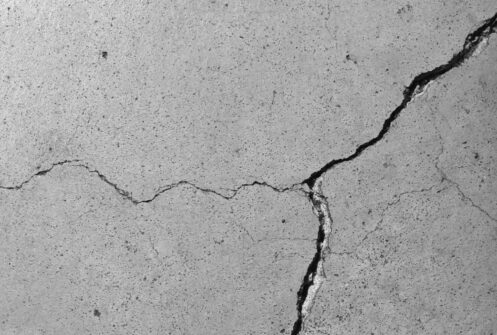
Any existing cracks or small holes in your garage floor surface become serious problem points when winter hits. These tiny openings act as channels for water and road salts to penetrate deep into the concrete slab. Once water gets into a crack and freezes, the expansion widens the crack significantly. You can see this all over sidewalks and some roadways. Eventually, this will destroy an unprotected floor.
It is critical to inspect your garage floor and to ensure all damage is addressed before winter arrives. Valley Concrete Coatings & Polishing provides comprehensive services to prepare your concrete surface for any coating or polishing work. We excel at crack repair and restoration tasks. Our goal is to stabilize the concrete and to protect it for years to come.
If your floor already exhibits significant spalling, pitting, or extensive cracking, professional concrete floor restoration may be necessary before applying a protective layer. Addressing these structural issues ensures that your winter protection efforts are not made in vain.
While winter weather poses unique threats, protecting your garage floor is a manageable task when you call our professionals. By applying a robust, impervious coating and maintaining a diligent cleaning routine, you can shield your floor from the corrosive effects of road salts and the destructive forces of the elements.
Trust Valley Concrete Coatings & Polishing For Year-Round Concrete Floor Protection
Valley Concrete Coatings & Polishing is the local expert in concrete coatings and polishing, offering solutions that withstand high traffic and harsh seasonal conditions. We specialize in polyaspartic garage floor coatings and offer concrete sealing, crack repair, and full floor restoration services to guarantee your garage floor lasts for decades.
Contact Valley Concrete Coatings & Polishing today to learn more about how to protect your garage floor this winter.