

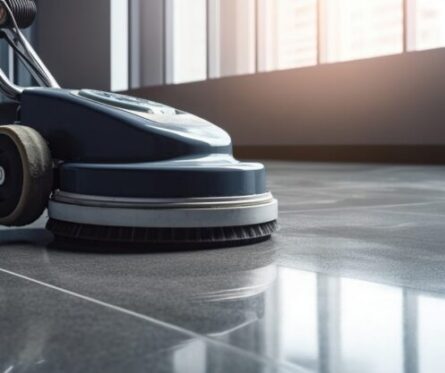
Concrete is a popular building material because of its strength and durability. But over time, old concrete may start to show signs of wear in the form of cracks or stains. A lot of homeowners will polish the concrete to restore its appearance and overall performance.
If you’re trying to decide whether it’s worth it to polish your old concrete, you’re in the right post. This guide walks you through what to consider and how to decide.
Concrete Age and Curing Quality
In most cases, it isn’t the age of the concrete that matters. Properly poured and cured concrete, even decades old, will take on a stunning sheen when polished. What matters the most are the initial mixing, pouring and curing processes for the slab. If the concrete wasn’t mixed properly, this can lead to surface inconsistencies, which can cause issues when trying to polish it evenly.
Poor pouring and curing can be just as problematic because they make the concrete weak. This is why it’s so important to have the concrete evaluated before choosing to polish it. If significant cracking or surface deterioration is present, it’ll be best to repair or resurface it. However, if the slab is structurally sound, then it should be fine to have it polished.
Presence of Cracks or Major Damage
If the concrete has hairline cracks in it, this isn’t a deal-breaker for getting it polished. We can easily repair and blend the cracks so the surface isn’t an eyesore. It’s the wider cracks that you need to worry about. These can lead to the concrete shifting or cracking all the way to the slab. Polishing the concrete is not going to halt or fix these structural issues.
Depth of Stains or Discoloration
Polishing does an excellent job at getting rid of surface-level concrete stains. This includes stains that are the result of oil, dirt, adhesive marks or mild discoloration. The deep chemical stains are the ones that are the hardest to remove. These may come from rust, solvents or acids. And even though polishing may lighten these stains to a certain degree, it won’t fully remove them.
Previous Coatings or Sealers Applied
If the concrete has had previous coatings or sealers applied, the polishing process may not provide the results you’re hoping for. We’ll have to completely remove the old coatings before we start the polishing. This adds a lot of time and labor to the project. And if the previous coatings were applied unevenly, the removal process may show signs of etching or surface damage. We’ll then have to fix these issues before we polish.
Moisture Vapor Transmission Levels
Moisture is a big problem for concrete when it seeps up through the slab. Older homes that don’t have modern vapor barriers in place tend to experience this issue. The moisture ends up limiting densifier penetration, which can lead to a hazing effect over time. The concrete may appear cloudy or blotchy. We can do a moisture test to see whether to go ahead and polish or to install some type of moisture mitigation system.
Spalling or Surface Flaking Issues
When the surface layer of concrete breaks away, this is known as spalling. You might see flaking or notice pitting. We can often grind down the damaged area during polishing, but not always. We may have to resurface or patch the affected areas first if the spalling is severe.
Existing Moisture or Drainage Problems
Any time the area already has moisture or drainage problems, you must have them fixed. Polishing the concrete isn’t going to fix them. Moisture issues in concrete spaces often stem from poor drainage, improper grading or groundwater pressure. This is another situation that may call for a moisture mitigation solution, like a vapor barrier, waterproofing or updated drainage system.
Intended Use of the Space
How you intend to use the space matters a lot. Polished concrete in an interior living space faces unique demands that are much different from those of concrete in garages and workshop spaces. Polishing concrete in high-traffic areas is especially beneficial for durability, but you may want a more durable or higher-traffic finish. For living spaces, it’s often best to choose a lower gloss so the surface isn’t slippery.
Budget Versus Replacement Costs
For larger spaces, it’s often more cost-effective to polish the concrete rather than replace it. But this only applies if the concrete is in good condition and doesn’t have severe cracking and settling. If your concrete has widespread damage or structural issues, it may make more sense to go ahead and do a replacement. This way, you don’t risk polishing over unstable concrete.
Thickness of the Concrete Slab
The thickness of the concrete slab plays a large role in how much grinding is possible. Thin slabs and those poured unevenly can present major issues as we try to grind. The result is a patchy finish instead of a uniform look. Thicker slabs tend to be much easier to polish because we can easily grind down any imperfections. We can assess the thickness to determine whether polishing is a good option.
Presence of Repair Patches or Fills
If the old concrete has patches from plumbing work and surface repairs, these may not polish the same as the unpatched areas. If you don’t mind the contrast, then polishing should be perfectly fine. However, if you prefer a uniform appearance, we may suggest resurfacing before polishing.
Slip Resistance Requirements
Polished concrete is usually more slip-resistant than unpolished concrete as long as it’s finished correctly. However, the sheen level does impact the overall slipperiness. You’ll want to opt for a lower-sheen finish for wet areas because this provides better traction. In areas with light foot traffic, you can stick with a higher-gloss finish.
A Close Look at the Benefits of Polished Concrete
Concrete polishing gives you a practical way to upgrade the appearance and durability of old concrete without having to replace it. These benefits translate into improved performance and longevity throughout the space.
- Creates a clean, modern appearance
- Improves surface durability and strength
- Reduces dust and surface wear
- Requires minimal ongoing maintenance
- Enhances light reflectivity indoors
- Eliminates need for coatings or waxes
- Works with many design styles
- Improves resistance to stains
- Withstands heavy foot traffic
- Cost-effective compared to replacement
How Often to Invest in Concrete Polishing
Concrete polishing is not something you need to invest in on a regular basis. In fact, once polished, most concrete can last for decades without needing to be redone.
Get Professional Concrete Polishing Services Today
Here at Valley Concrete Coatings & Polishing, we have an A+ rating with the BBB. We provide concrete polishing services for both residential and commercial properties. We’ll remove old coatings and adhesives to ensure the best possible finish.
Contact Valley Concrete Coatings & Polishing today to learn more about concrete polishing in Phoenix, AZ.