

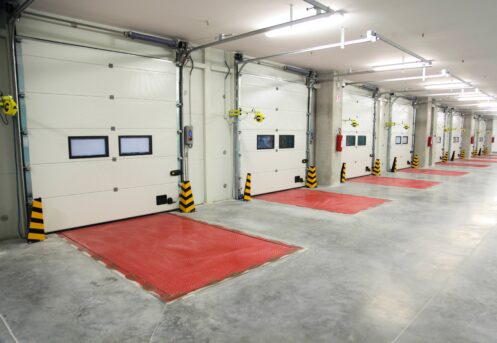
Industrial floors deal with oil, grease, chemicals, spills, and heavy equipment traffic. In Phoenix, AZ facilities, the daily wear can affect safety, cleanup time, and long-term maintenance costs. Many facility managers choose polished concrete because it is durable, low-maintenance, and easier to clean than untreated concrete.
Polished concrete is not fully stainproof or chemical-proof. However, the polishing and densifying process creates a harder, less porous surface. That helps the floor resist common contaminants when spills are handled quickly.
Why Flooring Performance Matters in Industrial Environments
Industrial flooring has to support more than foot traffic. It must handle equipment movement, chemical exposure, cleaning schedules, and daily production needs. A weak floor can slow work and increase repair costs.
- Heavy equipment traffic
- Chemical exposure
- Workplace safety
- Maintenance costs
- Operational uptime
What Makes Polished Concrete Different?
Polished concrete results from grinding, honing, and polishing the concrete surface. Diamond abrasives refine the slab to the desired smoothness and sheen. A densifier strengthens the surface and reacts inside the concrete to help harden the floor. This reduces surface porosity and cuts down on concrete dust. The result is a stronger floor that is easier to maintain than raw concrete.
How Polished Concrete Handles Oil Spills
Oil spills are common in warehouses, machine shops, and automotive areas. Untreated concrete can absorb oil quickly because it is naturally porous. Polished concrete gives facility teams more time to clean spills before deep staining occurs.
- Reduced surface porosity
- Easier cleanup
- Lower staining risk
- Routine maintenance support
Prompt cleanup still matters. Oil can leave marks if it sits too long. A regular cleaning plan helps protect the floor’s appearance and performance.
How Polished Concrete Performs Around Chemicals
Industrial facilities often use chemicals for cleaning, production, and equipment care. Polished concrete can better withstand routine spills than untreated concrete. The exact performance depends on the chemical and contact time.
Common Industrial Chemicals
Industrial floors may come into contact with solvents, degreasers, cleaning products, and manufacturing chemicals. Some products are mild, while others are more aggressive. Each spill should be handled based on the chemical involved.
Understanding Chemical Resistance
Polished concrete offers improved resistance, but it is not completely impervious. Strong acids, caustic products, or harsh solvents can still damage the surface. For constant chemical exposure, epoxy or another coating may be a better fit.
What Happens When Spills Are Left Untreated?
Spills become more serious when they sit on the floor. Oil can stain, and certain chemicals can dull or etch the surface. Wet or slick areas can also create slip hazards for employees.
Delayed cleanup can make routine maintenance harder. It may also leave visible marks that require professional attention. Clear spill response procedures help reduce these risks.
Polished Concrete vs. Other Industrial Flooring Options
Every industrial flooring option has strengths and limits. The right choice depends on traffic and chemical exposure. It also includes cleaning needs and budget goals.
Polished Concrete vs. Epoxy Flooring
Epoxy flooring is a coating applied over concrete. It can provide stronger chemical protection in harsh environments. Polished concrete has no topical layer, so it will not peel or flake like a coating can.
Polished Concrete vs. Sealed Concrete
Sealed concrete has a protective film on the surface. That film can wear down under heavy traffic. Polished concrete creates durability within the concrete surface itself.
Polished Concrete vs. Tile and Other Surface Materials
Tile and vinyl materials can work in some commercial spaces. In industrial settings, grout lines, seams, or soft surfaces may become weak points. Polished concrete offers a seamless surface for demanding areas.
Benefits of Polished Concrete for Phoenix Industrial Facilities
Phoenix industrial facilities need floors that can handle heat, dust, traffic, and heavy use. Polished concrete works well in many warehouses, shops, and production spaces. It offers practical benefits without a complex maintenance routine.
- Durability under heavy traffic
- Lower maintenance needs
- Improved light reflectivity
- Reduced concrete dust
- Long service life
Best Practices for Maintaining Polished Concrete in Industrial Settings
Polished concrete is low maintenance, but it is not maintenance-free. A simple plan can help preserve the finish and reduce staining. It also helps employees respond to spills quickly.
- Clean spills promptly
- Follow routine cleaning schedules
- Use appropriate cleaning products
- Plan periodic maintenance
- Train employees on spill response
Neutral-pH cleaners are often a good choice for routine cleaning. Harsh cleaners can dull or damage the surface. A flooring professional can recommend products for your facility.
Is Polished Concrete the Right Choice for Your Facility?
Polished concrete is a strong choice for many industrial settings. It works especially well where durability, dust control, and easy cleaning matter. It may also help facilities reduce long-term maintenance demands.
It is not the right fit for every space. Facilities with constant chemical exposure may need epoxy or another protective system. Your traffic levels, spill risks, and maintenance goals should guide the decision.
Upgrade Your Industrial Flooring With Valley Concrete Coatings & Polishing
A reliable industrial floor can support safer work and smoother operations. At Valley Concrete Coatings & Polishing, our family team brings industry experience and a commitment to excellence dating back to 2004.
We use a detailed five-step process and focus on quality workmanship. We also offer concrete floor polishing in Phoenix for commercial and industrial spaces.
Contact Valley Concrete Coatings & Polishing today to discuss polished concrete flooring in Phoenix, AZ.
Frequently Asked Questions
Industrial flooring decisions often come down to daily use. These answers to common questions explain how polished concrete handles spills, chemicals, and heavy traffic. They can help you decide whether it fits your Phoenix facility.
Is polished concrete resistant to oil stains?
Can chemicals damage polished concrete floors?
How does polished concrete compare to epoxy flooring?
Is polished concrete suitable for manufacturing facilities?
How do you clean oil spills from polished concrete?
How long do polished concrete floors last in industrial settings?