

Choosing a finish for your concrete floors will impact both the aesthetics and durability of your floor. One of the most common finishes available is an epoxy topcoat. However, there are multiple types you can choose from. You can select a solid-color epoxy coating or a metallic epoxy coating. If you’re unfamiliar with them, you’re in luck. Here’s an overview of epoxy topcoats, the two main types of finishes, and what distinguishes them.
Why Coat Concrete in an Epoxy Finish?
To begin with, you may wonder why you’d want to add a topcoat to a concrete floor at all. There are multiple reasons. One is that concrete is porous. That means it can stain or suffer damage if anything spills on it. Epoxy is the perfect substance to use for that remedy. Epoxy can chemically bond to the concrete. And once hardened, it makes the concrete waterproof and resilient against impact damage.
It’s essential to note, however, that an epoxy topcoat differs from an epoxy paint application. The latter is a faster and less expensive solution, with commensurate results. In other words, it won’t last as long or provide the same level of protection. An epoxy topcoat requires a professional application for optimal results.
The Benefits of an Epoxy Topcoat
There are multiple benefits you can derive from an epoxy topcoat on your concrete floor, besides waterproofing. They include the following:
Increases Floor Lifespan
In residential settings, an epoxy topcoat can last for 20 years or more. In commercial settings, they may last just as long, depending on the use case. For example, in an office setting, an epoxy topcoat can last up to 20 years. However, in a warehouse setting, an epoxy topcoat may last around 10 years. In a high-traffic retail setting, an epoxy topcoat may need replacement after as little as five years. However, in all cases, the epoxy bears the brunt of the wear and tear, keeping the concrete below in excellent condition.
Provides Chemical Resistance
Epoxy does an excellent job of shielding concrete from a variety of chemicals. These include multiple acids, solvents, oils, greases, and salts. Epoxy also withstands most common household cleaners.
Visually Pleasing Finish
Standard concrete comes in various shades of grey. And while it is possible to add tints to concrete, that only provides single-shade color options. Epoxy, by contrast, comes in multiple colors and transparency levels. It can also include additives that impart numerous other visual qualities, including dimensionality and reflectivity.
Added Ambient Brightness
Epoxy topcoats are more reflective than bare concrete. That can increase ambient light levels in any room with an epoxy floor. It can even help reduce lighting needs by maximizing the effects of existing fixtures.
Makes Cleanup Easy
Epoxy topcoats create a smooth, even, and sealed surface on a concrete floor. That makes keeping the floor clean far easier. A simple mixture of warm water and a tiny bit of soap is all you need to keep epoxy clean in your home. In commercial spaces, widely available floor polishers can quickly accomplish the same task in much larger areas.
A Comparison Between Epoxy Flooring and Metallic Epoxy Flooring
Epoxy flooring and metallic epoxy flooring are variants of the same product. Ordinary epoxy flooring comes in two main types. One is a clear epoxy. It creates a shiny appearance that maximizes light reflection. However, it allows the color of the underlying concrete to show through it. The other option is a colored solid epoxy. It comes in virtually any color you can imagine. While solid epoxy still adds reflectivity to a floor, the amount it reflects depends on the shade of the color you choose.
On the other hand, metallic epoxy flooring consists of clear epoxy with metallic additives mixed in. With it, you can create countless stunning and complex patterns and finishes. The additives can also allow you to control reflectivity in different sections of the same floor. You can also vary pigmentation as desired. If you’ve ever seen a concrete floor with a marble-like finish, you were likely looking at metallic epoxy.
Choosing Between Epoxy Flooring and Metallic Epoxy Flooring
The primary difference between standard epoxy flooring and metallic epoxy flooring is their finished appearance. Both offer the same level of protection and durability. So, your choice will likely come down to the location of your floor and how you plan to use it.
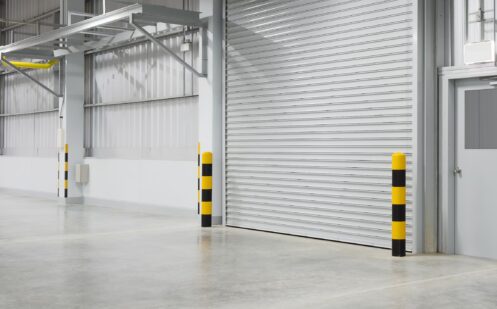
Generally, if you plan to coat a floor in a high-traffic or utilitarian space, such as a garage or warehouse, conventional epoxy is the best option. It will cost less to install, and given that floors in such spaces suffer more wear, an early replacement won’t be as wasteful. Additionally, incorporating features like an anti-slip additive is easier with a conventional epoxy floor. In a metallic epoxy floor, anti-slip additives can drastically alter the finished look of the floor.
However, if you’re looking for a solution for a concrete floor in the living areas of your home, metallic epoxy is often the best choice. It offers maximum creative flexibility, allowing you to tailor it to match any décor. That also makes metallic epoxy an excellent choice in specific commercial spaces, such as showrooms and client waiting areas. In those situations, the look of the space may be far more critical than the durability of your floor. It also means you may be more willing to absorb the higher costs involved with the installation of metallic epoxy.
What To Know About the Epoxy Application Process
Finally, it is worth noting that the process of installing conventional and metallic epoxy topcoats is similar. It begins with leveling your concrete floor using a grinding machine. The machine also roughs up the surface slightly to increase the mechanical bond between the epoxy and the concrete. After the grinding process, it’s necessary to thoroughly clean the concrete and remove all traces of dust. That prevents dust from spoiling the bonding process or affecting the look and clarity of the epoxy.
After preparing the concrete, the epoxy application process itself begins. You can expect it to take anywhere from several hours to several days, depending on the size of the floor. Afterward, the epoxy must cure, but it should be dry to the touch after approximately 24 hours. However, it can take up to seven days for an epoxy topcoat to cure completely. In most cases, you will not be able to do anything except walk on the floor during that time.
Local Epoxy Flooring Experts
Valley Concrete Coatings & Polishing is a family-owned and -operated concrete coating company serving Phoenix, AZ, residents. We’ve spent the past decade building a reputation for quality service and unbeatable results. To that end, we’re certified in Sase Machines, ASL Machines, Ardex, and Hi-Tech materials. We’re also top-rated on HomeAdvisor and have been a multi-year recipient of the Best of HomeAdvisor award. We’re even Better Business Bureau accredited with an A+ rating for your peace of mind. If you need an epoxy topcoat applied to your residential or commercial concrete floor in Phoenix, contact Valley Concrete Coatings & Polishing today.